Physical Address
304 North Cardinal St.
Dorchester Center, MA 02124
Physical Address
304 North Cardinal St.
Dorchester Center, MA 02124

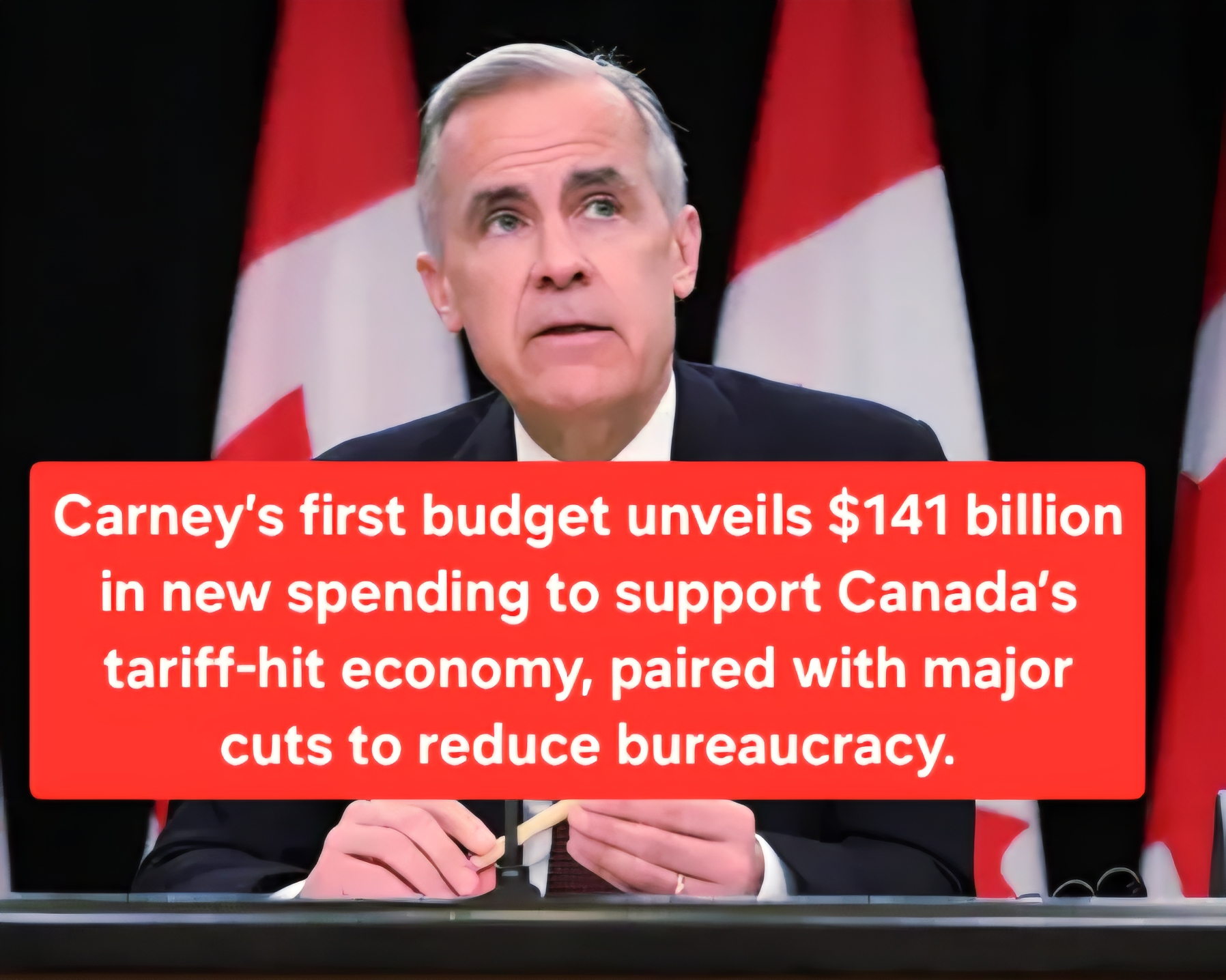
OTTAWA · November 2025 — Prime Minister Mark Carney has unveiled his long-awaited first federal budget, outlining $141 billion in new spending designed to stimulate Canada’s economy amid ongoing trade tensions and the lingering effects of U.S. tariffs.
The budget — described by officials as “big, bold, and disciplined” — introduces a sweeping mix of targeted investments, structural reforms, and government spending reductions, signaling Carney’s intent to balance growth with fiscal restraint.
At the heart of the plan is a new $50-billion Local Infrastructure Fund, aimed at revitalizing transportation networks, clean energy projects, and community facilities across the country. The government says the investment will create tens of thousands of jobs while improving trade corridors and municipal infrastructure.
“This budget is about protecting Canadians, investing in our future, and making sure the middle class thrives in a more uncertain global economy,” Carney said during his budget speech in Ottawa.
Other key spending initiatives include:
To offset the record spending, the Carney government announced significant cuts to the federal bureaucracy, including a plan to reduce administrative spending and streamline government programs.
The Finance Ministry estimates that $36 billion in savings will be achieved over five years through department consolidations, hiring freezes, and digitization of public services.
“We’re ensuring taxpayer dollars are spent wisely,” Finance Minister Rachel Bendayan said. “This is a government that believes in efficiency, not excess.”
Much of the budget focuses on supporting industries hurt by U.S. tariffs, particularly in the steel, aluminum, agriculture, and auto sectors. Ottawa plans to offer new tax credits and low-interest financing to help manufacturers adapt and remain competitive.
“Canada can give itself more than any foreign government can take away,” Carney declared, reiterating his commitment to economic independence and resilience.
Despite the major new spending, the federal deficit is projected to hold at 1.8% of GDP, with a path back to balance within five years. The government says strong economic growth and targeted cuts will help maintain Canada’s top-tier credit rating.
Analysts say the budget strikes a delicate balance between stimulus and restraint — a political and economic test for Carney’s young government.
“This budget sets the tone for Carney’s leadership,” said one Ottawa-based economist. “It’s both ambitious and pragmatic — an attempt to show fiscal credibility while responding to real economic pain.”
As Parliament prepares to debate the budget, opposition parties have already begun drawing their lines. Conservatives called the plan “reckless,” while the NDP criticized the government for not going far enough on housing and health care.
Carney, however, appears undeterred.
“This is a budget for every Canadian who works hard and believes in the future of this country,” he said. “We’re investing in people, in progress, and in our promise.”
By Canada Today Staff
© 2025 CanadaToday.online — All Rights Reserved